


How Long Does It Take the Hip Hook to Work?
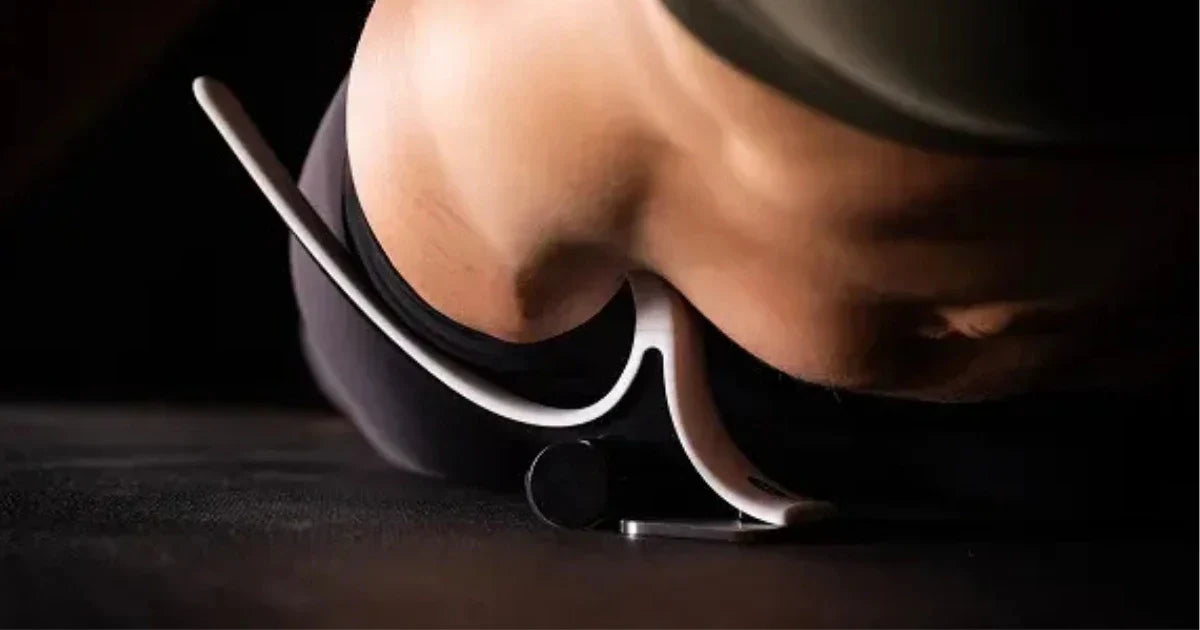
Many people notice a reduction in muscle tension after a single 90-second Hip Hook session. In a clinical trial, 71% of participants experienced less muscle tension, and 27% reported less pain after just one use. Lasting results, including improvements in chronic pain, sleep quality, and physical function, build with consistent use over several weeks. Results may vary.
The answer to how long the Hip Hook takes to work has two parts: what you can feel immediately after a single session, and what changes with consistent use over weeks. Understanding both helps you know what to expect and how to get the most out of the tool.
What Can You Feel After Just One Use of the Hip Hook?
In a clinical trial, 71% of participants reported less muscle tension after a single 90-second Hip Hook session, with an average reduction of 24%. Participants also experienced a 27% reduction in pain after that one session. Results may vary.
When you place the Hip Hook on your psoas and iliacus (the deep hip flexors), you are applying sustained pressure to muscles that may have been holding tension for months or years. That tension does not vanish in one session, but it begins to shift.
The first use creates an initial softening in the muscle. Think of it like pressing into a tight spot near your shoulder for the first time: it is uncomfortable at first, but the tension begins to release. A single session will not dissolve years of accumulated tightness, which is why consistency matters.

How Long Until You See Lasting Results with the Hip Hook?
Most customers report noticing positive changes within 14 to 30 days of daily or every-other-day use. Lasting improvement builds with repeated use over time. Muscles that have held chronic tension for years may take longer, but progress should be moving in the right direction from early on.
In a randomized controlled trial of 25 participants with chronic lower back pain using the Hip Hook three times per week for four weeks, participants experienced a 19% reduction in chronic pain compared to a control group doing hip flexor stretches only. Sleep efficiency improved from 82.6% to 88.8%. Participants also maintained their physical activity levels throughout the study, while the control group showed significant declines. Results may vary.
One of the most meaningful findings was that pain relief lasted up to two weeks after participants stopped using the Hip Hook entirely. This suggests the tool is not just managing symptoms but helping the body learn to hold less tension over time.
How Often Should You Use the Hip Hook to See Results?
The clinical protocol that produced the study results was three sessions per week, each lasting 90 seconds per muscle (iliacus and psoas) per side. For most people starting out, daily use or every-other-day use is ideal, as this gives the muscles enough repeated stimulus to begin changing their baseline tension level.
Once you have worked through the accumulated tension, typically within the first few weeks of consistent use, one to two sessions per week is usually enough to maintain progress. Modern life, including sitting, stress, and physical training, continuously creates new tension. Regular release prevents it from rebuilding.
Why Does the Hip Hook Work Faster for Some People Than Others?
Results vary because the iliacus and psoas are not always the only driver of a person's pain. For some people, they are the primary source, and releasing them produces rapid improvements in hip pain, back pain, movement, and sleep. For others, the hip flexors are one piece of a more complex picture.
A few factors affect how quickly you see results:
- How long the tension has been there. Muscles that have held chronic tension for years take longer to fully release than muscles that tightened more recently. Long-standing tightness requires more time and consistency before significant change occurs.
- Whether you're finding the right spot. The iliacus is a deep muscle, and locating it takes practice. The Hip Hook should be positioned just inside the pelvic bone. If pressure does not begin to decrease within the first 30 seconds, move the Hip Hook slightly inward or outward and try again.
- Whether pressure and intensity are correct. Too much pressure too soon can cause the muscle to guard rather than release. Start with lighter pressure and build over time. There are modifications available to help find a comfortable starting level.
Is the Hip Hook Enough on Its Own, or Does It Need to Be Part of a Larger Routine?
The Hip Hook can work as a standalone tool, and many people experience meaningful relief from it alone. It was also designed to work as part of a system, and it delivers the best results that way.
The Aletha approach follows a specific sequence: Release, Realign, Reactivate. Releasing muscle tension comes first, followed by alignment or mobility exercises, then strengthening and reactivating through corrective movement. Strengthening on top of tight muscles is like building on a crooked foundation. Release the tension first, and the exercise work that follows is significantly more effective.
Within the Aletha system, the Hip Hook targets the iliacus and psoas. The Orbit addresses the piriformis and hip rotators in the glute region. The Range works on the suboccipitals, upper traps, and pec minor. These muscle groups influence each other, and addressing only one while leaving others tight limits how far progress can go.
The Hip Hook also works well alongside physical therapy, chiropractic care, corrective stretching, and strengthening exercises. It does not replace any of these. It releases the tension that prevents them from being fully effective. If chronic iliacus tension keeps pulling the pelvis out of alignment between sessions, the exercises and adjustments will not hold as long. The Hip Hook helps the other work stick.

What Should You Do If the Hip Hook Is Not Helping?
Start by ruling out the most common issues. The most frequent reason results stall is not holding pressure long enough. The muscle needs at least 90 seconds of sustained contact to begin releasing. Many people move or reposition the tool before reaching that threshold. Use the timer in the Aletha app or set a clock, and do not shift, rub, or adjust until the full 90 seconds are up.
The second most common issue is placement. If there is no tenderness within the first 30 seconds, the Hip Hook may not be in the right spot. Move slightly toward the pelvic bone and try again.
If the Hip Hook has been used correctly for three to four weeks without improvement, it is worth connecting with a physical therapist. The iliacus and psoas are the missing piece for many people with chronic pain, but not for everyone. A PT can assess whether hip flexor tension is actually a driver of the pain and identify other areas that may need to be addressed. Tension in the piriformis, glutes, thoracic spine, and neck often accompanies iliacus tightness, and releasing one area without addressing the others limits how far progress can go.
If the Hip Hook is not producing results, the next step is to understand what the body actually needs, not to keep repeating the same approach.
When to See a Professional
The Hip Hook is a tool for ongoing self-care, not a replacement for clinical assessment. Consult a physical therapist before beginning or continuing use if:
- You have had chronic pain for more than three months without improvement from self-care.
- You are experiencing radiating pain, numbness, or tingling into your leg or foot.
- You have had recent surgery, injury, or a fracture.
- Your pain is getting worse rather than staying stable or improving.
A physical therapist can confirm whether hip flexor tension is actually a driver of your symptoms and help you build a complete protocol that addresses all the relevant areas. Used alongside professional care, the Hip Hook helps maintain release between sessions and can accelerate the overall process.
Frequently Asked Questions
How does the Hip Hook work?
The Hip Hook applies sustained, targeted pressure to the iliacus and psoas (the deep hip flexors) to help release tension that has built up in those muscles. Holding pressure on a tight muscle for at least 90 seconds triggers a neurological response that signals the muscle to relax, reducing its baseline tension level over time. You apply pressure either by leaning into the Hip Hook against a wall while standing or by lying over it on the ground for a deeper release.
How long does a single Hip Hook session take?
Each session with the Hip Hook is 90 seconds per muscle (psoas and iliacus) on each side, for a total of six minutes for both hips. The 90-second minimum is the threshold needed for sustained pressure to trigger meaningful muscle relaxation. Shorter sessions are likely to be less effective.
Can I use the Hip Hook every day?
Yes. Daily or every-other-day use is appropriate when working through accumulated tension in the early weeks. If soreness or bruising occurs after a session, take a day off before resuming. Once a maintenance level is reached, one to two sessions per week is typically enough to manage tension that rebuilds from daily life.
Is there research on the Hip Hook?
Yes. A randomized controlled trial of 25 participants with chronic lower back pain found measurable reductions in pain and muscle tension after a single 90-second session. More sustained improvements in chronic pain, sleep efficiency, and physical function developed over four weeks of use three times per week. Results may vary.
Is it normal for the Hip Hook to feel uncomfortable at first?
Yes. The iliacus and psoas are deep muscles that rarely receive direct, sustained pressure from any other tool or treatment. Finding a tender spot on first contact is normal and typically means the Hip Hook has located an area holding tension. The pressure should soften and decrease within 30 to 90 seconds as the muscle releases. If discomfort increases rather than decreases, lighten the pressure using a modified technique and try again.
Should I feel better immediately after each Hip Hook session?
Each session with the Hip Hook should bring some level of relief from hip flexor tension. Many people notice improved range of motion and less stiffness immediately after a 90-second release. Some feel mild soreness for 24 to 48 hours, particularly in the first week, which is normal. If soreness occurs, take a day off and resume the next session.
What if the Hip Hook helps for a few days and then the tension returns?
This typically means the muscle released the first layer of accumulated tension and needs more time and repetition to go deeper. Daily life, including sitting, stress, and physical activity, continuously creates new tension in these muscles. Consistent use, combined with other muscle releases, stretches, and corrective exercises, is what produces lasting results.
How do I know if the Hip Hook is working?
There are signs at different stages of use. In the first session, pressure that starts as intense should soften and decrease within 30 to 90 seconds as the muscle begins to release. In the first one to two weeks, sessions should gradually feel less intense as baseline tension decreases. Within 14 to 30 days of consistent use, most people notice improvements in range of motion, daily stiffness, and pain levels. If tension is decreasing during sessions and rebuilding more slowly between them, the Hip Hook is working.
Can the Hip Hook make pain worse?
Mild soreness for 24 to 48 hours after a session, particularly in the first week, is normal and not a sign of harm. If pain increases during a session rather than softening, too much pressure may be applied too soon. Reduce the pressure and allow the muscle time to release gradually. If pain consistently worsens with use rather than improving, stop use and consult a physical therapist. The Hip Hook is not appropriate for use over areas of recent injury, surgery, or fracture.
References
- Reiner, S. (2025). Aletha Health: Revolutionizing therapeutic strategies for back pain and physical performance [White paper]. Aletha Health. https://alethahealth.com/pages/white-paper


If you’ve tried PT, massage, stretching, and the pain keeps coming back, the problem is likely not where you’re feeli...
- HSA/FSA eligible
- 60-day returns
- Free shipping
If you’ve tried PT, massage, stretching, and the pain keeps coming back, the problem is likely no...